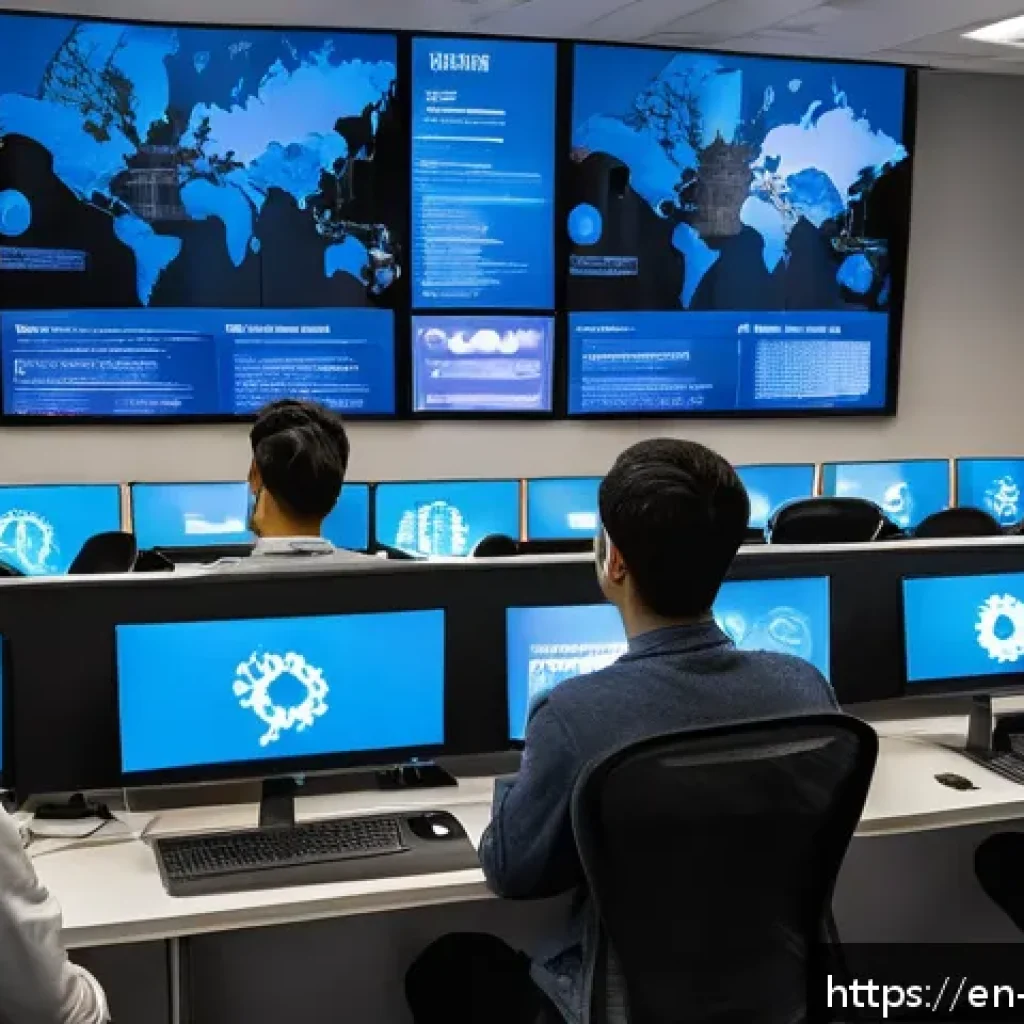
In today’s digital age, cybersecurity has become more critical than ever as cyber threats continue to evolve at lightning speed. Whether you’re a student, professional, or simply curious, understanding the foundations of modern information security is essential.

This comprehensive guide dives into the latest curriculum designed to equip learners with real-world skills to combat today’s complex cyber risks. With ransomware attacks and data breaches making headlines daily, mastering cybersecurity isn’t just an option—it’s a necessity.
Join me as we explore how cutting-edge education is shaping the defenders of our digital future. Stick around to discover practical insights that can empower your journey into this fast-paced, high-stakes field.
Building a Strong Cybersecurity Mindset
Understanding the Human Factor in Cybersecurity
One of the most overlooked aspects of cybersecurity education is the human element. No matter how advanced the technology, people remain the weakest link in security chains.
From phishing scams to social engineering attacks, the way individuals perceive and respond to threats can make or break an organization’s defense. Personally, I’ve seen firsthand how a single careless click can lead to a massive breach.
That’s why modern courses emphasize awareness training and behavioral psychology, helping learners recognize suspicious activity and develop instinctive caution.
This approach isn’t about scaring users but empowering them to be the first line of defense, turning potential vulnerabilities into active guards.
Developing Critical Thinking for Threat Analysis
Cyber threats aren’t static; they morph constantly, demanding agile thinking. A strong cybersecurity mindset involves more than memorizing tools or protocols—it requires analytical skills to interpret threat data and anticipate attacker moves.
When I studied threat modeling, the process of breaking down attack surfaces and simulating adversary tactics made me appreciate the importance of seeing the system from the attacker’s viewpoint.
This skill is vital because it transforms reactive defense into proactive strategy. Courses that cultivate this mindset often include real-world case studies and hands-on labs, which help learners practice dissecting complex scenarios and crafting effective countermeasures.
Embracing Continuous Learning and Adaptability
The cybersecurity landscape changes daily, with new vulnerabilities and exploits surfacing regularly. Staying static is not an option. I found that the most successful professionals are those who embrace lifelong learning, whether through certifications, webinars, or active community engagement.
Educational programs now integrate this philosophy by teaching students how to self-update their knowledge, use threat intelligence platforms, and participate in security forums.
This habit of adaptability ensures readiness against emerging threats and keeps skills relevant as technologies evolve.
Mastering Core Technical Skills
Networking Fundamentals and Security Protocols
Understanding how data travels across networks is foundational for any cybersecurity role. Early in my training, grasping the basics of TCP/IP, DNS, and HTTP protocols helped me see where attackers might intercept or manipulate traffic.
Courses today dive deeper, covering encryption standards like TLS, secure routing, and firewall configurations. This technical foundation enables learners to design and implement secure network architectures and troubleshoot vulnerabilities effectively.
Without this knowledge, detecting anomalies or securing communication channels becomes guesswork.
System Hardening and Endpoint Protection
Systems are constantly targeted by attackers exploiting misconfigurations or outdated software. Learning to harden operating systems—whether Windows, Linux, or macOS—is a key skill covered extensively in modern curricula.
I remember spending hours configuring security settings, patching software, and deploying endpoint detection tools during hands-on labs. These exercises build muscle memory for routine maintenance tasks that prevent malware infections and unauthorized access.
Understanding endpoint security also means grasping antivirus mechanisms, intrusion prevention systems, and the role of continuous monitoring.
Practical Cryptography for Data Security
Cryptography can seem abstract, but its practical application is crucial. In real-world environments, encryption protects everything from emails to financial transactions.
I found courses that balance theory with practice, teaching how to implement symmetric and asymmetric encryption, digital signatures, and secure key management.
This knowledge equips learners to safeguard sensitive information and verify authenticity, which is especially vital in compliance-heavy industries. Cryptography labs often include configuring VPNs or encrypting databases, reinforcing how these tools shield data in motion and at rest.
Hands-On Experience with Cybersecurity Tools
Utilizing Vulnerability Scanners and Penetration Testing
Nothing beats learning by doing. Tools like Nessus, OpenVAS, and Metasploit allow students to identify and exploit weaknesses in controlled environments.
I recall the thrill of simulating attacks on virtual machines, which deepened my understanding of attack vectors and defense mechanisms. These exercises highlight the importance of ethical hacking principles and responsible disclosure.
Modern programs emphasize legal and ethical frameworks alongside technical skills to prepare learners for real-world engagements.
Mastering Security Information and Event Management (SIEM)
SIEM platforms aggregate logs and alerts from various sources to provide a centralized view of an organization’s security posture. Learning to configure and interpret SIEM tools like Splunk or IBM QRadar is invaluable.
Through hands-on labs, I experienced how correlation rules and dashboards help detect suspicious patterns and respond swiftly. This skill bridges the gap between raw data and actionable intelligence, enabling security teams to prioritize incidents effectively and reduce response times.
Deploying Endpoint Detection and Response (EDR) Solutions
EDR tools represent the next generation of endpoint security, offering real-time monitoring and automated threat containment. Practical training in deploying and managing EDR platforms, such as CrowdStrike or Carbon Black, helped me appreciate how these tools complement traditional antivirus software.
By analyzing behavioral data and machine learning insights, EDR solutions detect sophisticated threats that might evade signature-based defenses. Incorporating EDR knowledge into curricula prepares learners to handle advanced persistent threats and insider risks.

Understanding Legal and Ethical Frameworks
Privacy Laws and Regulatory Compliance
Cybersecurity professionals must navigate a complex web of regulations like GDPR, HIPAA, and CCPA, which govern data privacy and protection. During my coursework, studying these laws clarified the legal responsibilities tied to handling personal information.
Compliance isn’t just about avoiding fines—it’s about fostering trust with customers and stakeholders. Education programs now integrate regulatory training with technical content, ensuring learners understand how to design controls that meet legal standards while maintaining operational efficiency.
Ethical Hacking and Responsible Disclosure
Ethics underpin all cybersecurity practices. The difference between a hacker and a security researcher often lies in intent and permission. Learning about ethical hacking frameworks and responsible vulnerability reporting helped me develop a professional mindset centered on integrity.
Many courses encourage participation in bug bounty programs or capture-the-flag challenges, reinforcing the importance of ethical conduct. This focus builds reputational capital and cultivates a security community committed to protecting users.
Incident Response and Legal Considerations
Responding to breaches involves not only technical remediation but also legal protocols. My training covered how to document incidents, preserve evidence, and coordinate with law enforcement or regulatory bodies.
Understanding these procedures ensures that responses are effective and compliant, reducing liability risks. By simulating incident response scenarios, learners gain confidence in handling pressure situations while adhering to legal and organizational policies.
Emerging Trends and Future-Proofing Your Career
The Rise of Artificial Intelligence in Cybersecurity
AI is transforming how threats are detected and mitigated. Early in my exploration of AI-powered tools, I realized how machine learning models can analyze vast datasets faster than humans, identifying anomalies with impressive accuracy.
Modern curricula now include AI fundamentals, covering both opportunities and challenges, such as adversarial attacks targeting AI systems. Embracing AI literacy prepares learners to work alongside evolving technologies and leverage automation to enhance security operations.
Cloud Security and DevSecOps Integration
As cloud adoption accelerates, securing cloud environments has become paramount. Training on cloud platforms like AWS, Azure, and Google Cloud teaches learners how to configure identity management, encryption, and monitoring within these ecosystems.
Additionally, integrating security into DevOps pipelines—commonly known as DevSecOps—ensures vulnerabilities are caught early in development cycles. My experience with continuous integration tools highlighted how embedding security checks accelerates delivery without sacrificing safety, a skill increasingly demanded by employers.
Preparing for Quantum-Resistant Security
Quantum computing threatens to disrupt current encryption methods, making quantum-resistant algorithms a hot topic. Though still emerging, understanding this field positions learners at the forefront of future cybersecurity challenges.
I found that introductory courses on post-quantum cryptography help build foundational knowledge to anticipate and adapt to this shift. Being proactive about quantum readiness signals a commitment to long-term security resilience and innovation.
Key Skills Comparison for Cybersecurity Roles
| Skill Area | Entry-Level Roles | Mid-Level Roles | Advanced Roles |
|---|---|---|---|
| Networking & Protocols | Basic understanding of TCP/IP, DNS, HTTP | Configuring firewalls, VPNs, secure routing | Designing secure network architectures, threat modeling |
| System Security | Operating system hardening, patch management | Endpoint protection deployment, incident response | Advanced malware analysis, system forensics |
| Security Tools | Using vulnerability scanners, basic SIEM monitoring | Penetration testing, SIEM configuration | Developing detection rules, automating response |
| Legal & Compliance | Awareness of privacy laws, ethical guidelines | Implementing compliance controls, reporting | Advising on regulatory strategy, legal coordination |
| Emerging Tech | Introduction to AI and cloud security basics | Managing cloud environments, DevSecOps practices | Researching quantum-safe cryptography, AI threat defense |
In Conclusion
Building a strong cybersecurity mindset combines technical expertise with continuous learning and ethical awareness. Embracing both the human and technological elements empowers professionals to stay ahead of evolving threats. By mastering core skills and adapting to emerging trends, anyone can contribute effectively to safeguarding digital environments. Ultimately, a proactive and informed approach makes all the difference in today’s cybersecurity landscape.
Useful Information to Keep in Mind
1. Regularly update your knowledge through certifications and online resources to stay current with cybersecurity advancements.
2. Practice hands-on skills using real tools like vulnerability scanners and SIEM platforms to deepen understanding.
3. Develop critical thinking by analyzing threat scenarios from an attacker’s perspective to anticipate risks.
4. Understand and comply with relevant privacy laws and ethical guidelines to build trust and avoid legal pitfalls.
5. Stay adaptable by embracing emerging technologies such as AI, cloud security, and preparing for quantum-safe cryptography.
Key Takeaways
Cybersecurity success relies on balancing technical skills with human factors and ethical responsibility. Continuous learning and practical experience are essential to keep pace with fast-changing threats. Legal compliance and awareness of emerging technologies ensure that security measures remain effective and future-proof. Cultivating a mindset that integrates these elements will empower professionals to protect systems and data confidently and responsibly.
Frequently Asked Questions (FAQ) 📖
Q: uestions about Modern Cybersecurity EducationQ1: What are the core skills taught in today’s cybersecurity curriculum?
A: Modern cybersecurity programs focus on a blend of technical and practical skills. You’ll learn how to identify vulnerabilities, defend against ransomware, conduct penetration testing, and manage incident responses.
Beyond just theory, many courses emphasize hands-on labs using real-world scenarios, which helps build critical thinking and adaptability—key traits for tackling evolving threats.
From encryption techniques to network security protocols, these curricula are designed to prepare learners for actual challenges they’ll face in the field.
Q: How can beginners with no prior experience start learning cybersecurity effectively?
A: Starting from scratch can feel overwhelming, but the best approach is to begin with foundational concepts like understanding how networks operate and basic security principles.
Many online platforms offer beginner-friendly courses with interactive content and guided exercises. Pairing study with practical projects—such as setting up a secure home network or experimenting with virtual machines—can make the learning process engaging and concrete.
Also, joining cybersecurity communities or forums provides support and insights from professionals who’ve been in your shoes.
Q: Why is mastering cybersecurity considered a necessity in today’s digital world?
A: Cyber attacks have grown not just in frequency but in sophistication, targeting everything from personal data to critical infrastructure. With ransomware and data breaches dominating headlines, individuals and organizations face real risks daily.
Understanding cybersecurity empowers you to protect sensitive information, maintain privacy, and ensure business continuity. Personally, after diving into cybersecurity education, I realized how many everyday activities depend on secure systems—making it clear that having these skills is no longer optional but essential for anyone navigating the digital landscape.